.webp)
FC 26 News: How the Latest Gameplay Update Changes Ultimate Team, Career Mode, and the Competitive Meta
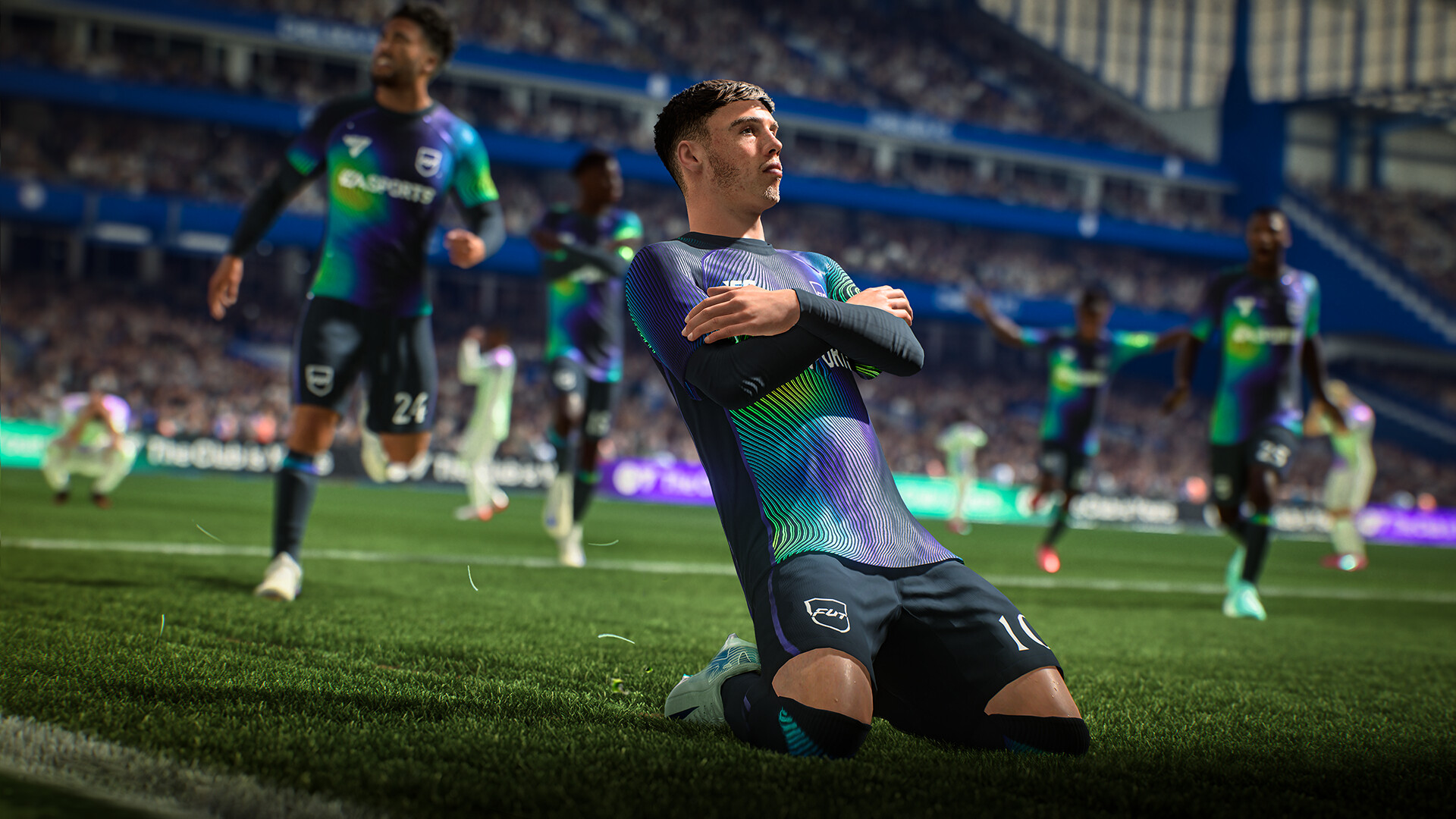
The evolution of EA SPORTS FC 26 is not defined only by new player ratings, updated squads, or seasonal content drops. The biggest changes in the game come from how each update reshapes the way players approach matches, build teams, and adapt to a constantly changing competitive environment. Every major gameplay adjustment creates a new balance between attacking systems, defensive strategies, player attributes, and tactical decisions. For casual players, these changes may appear minor, but for competitive players, even small adjustments can completely transform the way FC 26 is played.
One of the most important ongoing discussions surrounding FC 26 is how recent gameplay developments are changing the relationship between realism and competitive balance. Players who previously relied on certain mechanics, formations, or overpowered player types are now forced to reconsider their strategies. The dominance of specific attacking patterns, defensive approaches, and squad-building methods continues to evolve as the community discovers new ways to maximize the systems introduced in the game.
This article explores the deeper impact of FC 26’s latest developments, focusing on how gameplay adjustments influence Ultimate Team strategies, Career Mode management, tactical trends, and the competitive meta. Instead of providing a general overview, this analysis examines the specific areas where experienced players are changing their approach and explains why these changes matter for the future of FC 26.
1. The Beginning of FC 26’s New Gameplay Era and Community Reaction
The launch period of FC 26 created a completely different competitive environment compared with previous titles. Early player reactions focused heavily on gameplay balance, especially around passing accuracy, defensive positioning, attacking movement, and the effectiveness of different playstyles. The first weeks after release became a testing period where millions of players experimented with new mechanics and attempted to discover the strongest strategies.
Unlike previous editions where a few predictable systems dominated the game, FC 26 encouraged more tactical variety. Players quickly realized that success required a better understanding of spacing, movement, and decision-making. Simple pace-based attacks became less reliable against organized defenses, while teams built around intelligent positioning became more effective.
The Shift From Speed-Based Gameplay
Why Fast Players Are No Longer the Only Solution
For many years, FIFA and FC players prioritized acceleration and sprint speed above almost every other attribute. Fast attackers could often compensate for poor positioning by simply running behind defensive lines. However, FC 26’s evolving gameplay systems have placed greater importance on:
- First-touch quality
- Attacking intelligence
- Ball control under pressure
- Physical strength
- Decision-making speed
This created a more balanced environment where technically gifted players could compete against pure pace options.
The New Importance of Player Profiles
The community began paying more attention to player roles rather than overall ratings. A midfielder with excellent passing and defensive awareness could outperform a higher-rated player who lacked tactical suitability.
Competitive players started analyzing:
- Work rates
- PlayStyle combinations
- Position-specific strengths
- Animation advantages
- Physical attributes
This represented a major change in how squads were created.
2. The Latest FC 26 Ultimate Team Changes and Their Impact on Squad Building
Ultimate Team remains the most competitive mode in FC 26, and every gameplay adjustment directly affects how players build their squads. The biggest change is the movement away from simply collecting the highest-rated cards toward creating teams that function effectively within the current tactical environment.
A powerful squad is no longer defined only by individual star players. Instead, successful teams require balance between attacking creativity, defensive stability, and chemistry between different player types. This has changed how the community approaches the transfer market and squad upgrades.
The Evolution of Meta Players
From Popular Cards to Functional Cards
A common mistake among Ultimate Team players is chasing popular cards without considering how they fit into their system. FC 26’s competitive environment rewards players who understand why certain cards perform well.
The strongest cards usually combine:
- Suitable PlayStyles
- Strong animations
- Reliable stamina
- Effective body types
- Tactical flexibility
A lower-rated player with the correct attributes can sometimes outperform an expensive card that does not fit the player's strategy.
How Squad Building Has Changed
Modern FC 26 squad construction focuses on:
- Building a strong defensive foundation.
- Creating midfield control.
- Selecting attackers based on movement quality.
- Maintaining tactical flexibility.
- Preparing substitutes for different match situations.
Instead of creating a team only for one style, elite players now build squads capable of adapting during matches.
3. Gameplay Updates and the Changing Defensive Meta
Defending has always been one of the most controversial areas in FC games. Some players prefer manual defending because it rewards skill, while others depend heavily on tactical systems and AI positioning. FC 26 continues to adjust this balance, creating new defensive trends throughout the competitive scene.
The biggest change is that defenders are becoming more valuable when controlled intelligently. Simply allowing AI defenders to protect space is no longer enough against experienced attackers who understand movement patterns.
The Rise of Manual Defensive Skill
Why Defensive Awareness Matters More
Elite defenders now focus on preventing dangerous situations before they happen. Instead of reacting after an attacker receives the ball, they control space and remove passing options.
Important defensive habits include:
- Tracking midfield runners
- Protecting central areas
- Avoiding unnecessary tackles
- Maintaining defensive shape
- Predicting attacking patterns
The New Defensive Decision-Making Process
Successful defending in FC 26 follows three stages:
Stage 1: Positioning
The defender must first occupy the correct space.
Stage 2: Pressure Timing
The defender applies pressure only when the attacker has limited options.
Stage 3: Ball Recovery
The final challenge should happen when the opponent is vulnerable.
Many players fail because they skip directly to Stage 3 and attempt risky tackles.
4. FC 26 Career Mode News: Tactical Management Becomes More Important
While Ultimate Team receives most competitive attention, Career Mode has also changed significantly because of improved tactical expectations and squad management systems. Players are no longer simply buying high-rated youngsters and simulating seasons. Modern Career Mode requires long-term planning and understanding football systems.
Managers must now consider squad development, player roles, training decisions, and tactical identity.
Building a Long-Term Club Identity
Why Tactical Consistency Matters
A successful Career Mode save depends on creating a recognizable playing style.
Examples include:
- Possession-based football
- Counter-attacking systems
- High pressing football
- Defensive organization
The best managers build squads around their philosophy rather than constantly changing strategies.
Youth Development Becomes More Strategic
Young players require careful management:
- Appropriate playing time
- Correct development plans
- Suitable positions
- Tactical compatibility
A talented player may fail to develop if used incorrectly.
Career Mode success is no longer just about finding potential ratings; it is about creating the correct environment for growth.